

Horse racing has been an integral part of the UK’s cultural and sporting landscape for centuries, drawing in crowds and betting enthusiasts alike. Yet, in recent times, the buzz around the racecourses has significantly waned. A simple search through news outlets will highlight how UK horse racing is currently facing unprecedented challenges. The increasing frequency of events marked as “Not On”—indicating cancellations, postponements, or alterations in scheduled races—has been alarming for both fans and industry professionals. For a deeper understanding of the situation, visit UK Horse Racing Not on GamStop bartonstdavid.org.uk.
The Impact of External Factors
One of the factors afflicting UK horse racing is the unpredictability of the weather. The climate has become increasingly erratic, leading to waterlogged tracks and unsafe conditions for horses and jockeys. Heavy rains can lead to cancellations on short notice, frustrating fans and disrupting betting markets. Furthermore, the impact of winter months cannot be underestimated, as icy conditions frequently lead to race meetings being called off.

Aside from weather-related issues, there are also broader societal factors at play. The COVID-19 pandemic has left a lasting impact on the horse racing landscape. While some aspects of life have returned to a semblance of normalcy, the remnants of lockdown restrictions linger. Social distancing measures have discouraged large crowds, significantly impacting the revenue streams for racecourses. Many venues now operate at reduced capacity, which diminishes the atmosphere that is vital for such events.
The Challenges Within the Industry
The challenges extend beyond weather and societal issues. The equine industry, like many others, has experienced a demographic shift in its fanbase. Young people, who were once enthusiastic about attending race days, are increasingly drawn to other forms of entertainment. This decline in interest has been particularly evident in urban areas, where racing tracks face competition from various leisure activities, including online gaming and sports streaming. To combat this trend, the industry must innovate and attract a younger, tech-savvy audience.
Financially, the industry is in a precarious position. Many small to mid-sized stables are struggling to maintain operations amid increasing costs and reduced earnings. The cancellation of races results in lost revenue not only for the venues but also for trainers, owners, and jockeys. This financial strain can have a ripple effect throughout the ecosystem, threatening the livelihoods of those involved in horse racing.
Regulatory Hurdles
The UK horse racing industry is also grappling with regulatory challenges. The British Horseracing Authority (BHA) faces mounting pressure to uphold integrity and welfare standards, which has led to additional regulations that some owners and operators find burdensome. Ensuring the wellbeing of horses should always be paramount, but stringent rules can also hinder the flexibility and agility needed to adapt quickly to unforeseen circumstances, such as the recent spikes in race cancellations.
What the Future Holds
Despite these challenges, the future of UK horse racing is not entirely bleak. There are promising movements aimed at revitalizing interest among the younger generation. Initiatives that leverage technology—like virtual reality experiences, online betting platforms, and interactive race days—aim to bridge the gap between traditional racing and modern entertainment preferences.
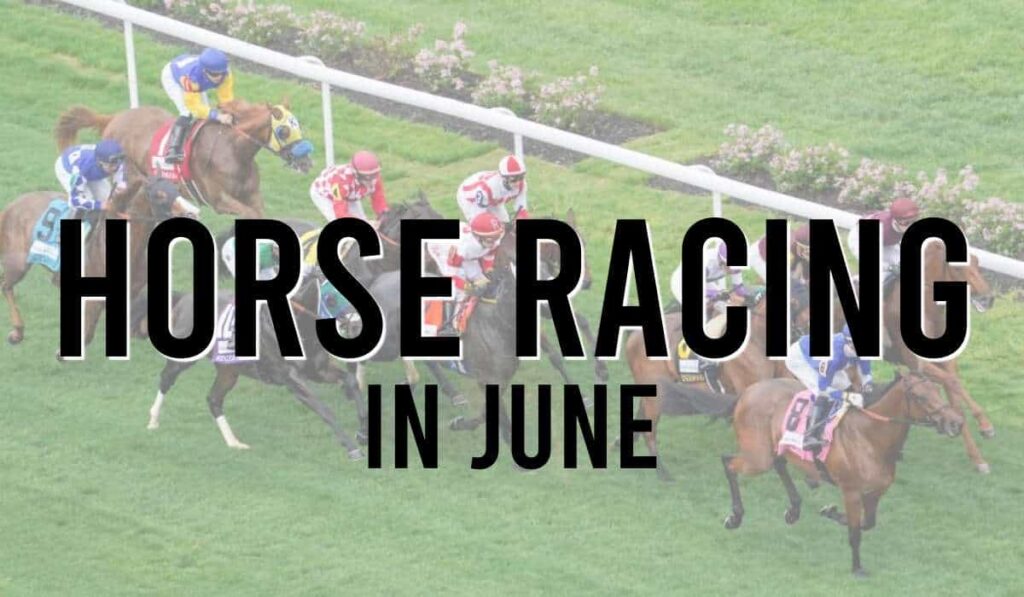
Additionally, gender inclusivity is taking center stage, with more women taking roles in training, ownership, and racing itself. This diversification could attract new fans and participants into an industry that has long been perceived as male-dominated.
Community Engagement and Grassroots Movements
Grassroots movements have gained momentum, advocating for greater community engagement with local racing initiatives. By fostering a sense of ownership within communities, racecourses can develop a more loyal fanbase. These efforts might include events that celebrate local culture or partnerships with schools and youth organizations to introduce younger audiences to the sport.
Moreover, social media campaigns and outreach programs can engage fans on a more personal level, enabling deeper connections with the sport. Facilitating open dialogues and providing updates about the future of racing will be essential to rebuilding trust and excitement in the community.
Conclusion: A Call to Action
While the reality of “Not On” races may be disheartening, it serves as an opportunity for reflection and action within the UK horse racing community. Stakeholders must unite to address the various factors contributing to this downturn, focusing on innovation, inclusivity, and the promotion of horse racing’s rich history and cultural significance.
As we move forward, it is paramount for the industry to adapt and embrace change. Whether it’s implementing new technologies or fostering community ties, action is necessary to secure the future of UK horse racing. The revival of this iconic sport will hinge on our collective ability to engage a new generation while honoring the traditions that have shaped it.