
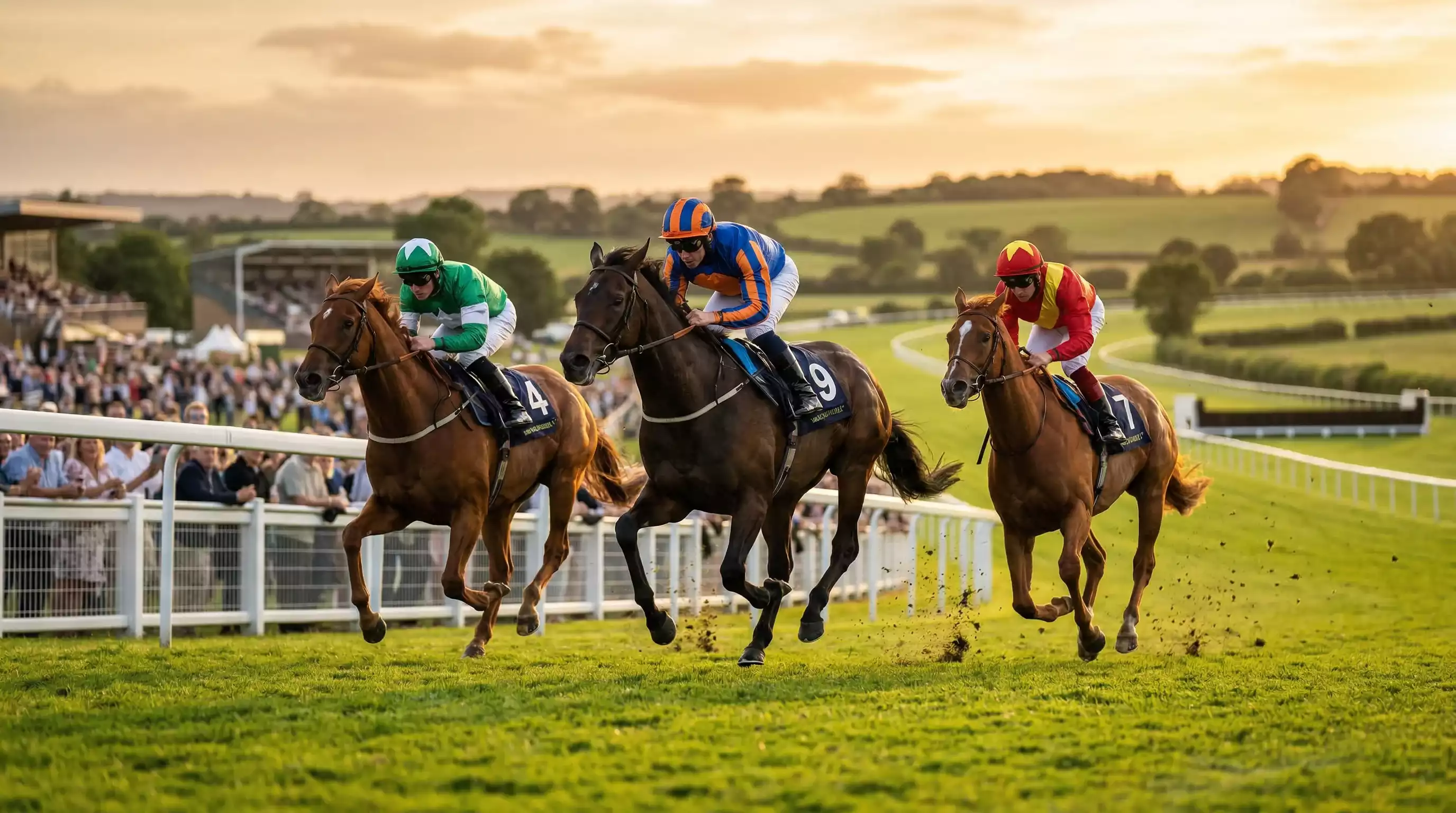
The Impact of UK Horse Racing Not On: Changes and Insights
The landscape of UK horse racing has always been vibrant, full of history, tradition, and excitement. However, there have been instances when major events or entire seasons were disrupted, leading to the phenomenon commonly referred to as “UK horse racing not on.” This occurrence not only impacts the racing calendar but also affects fans, owners, and betting markets across the nation. As we dive deeper into this subject, we will also touch upon the impact of UK Horse Racing Not on GamStop horse racing sites not on GamStop that have gained popularity during such disruptions.
The Nature of UK Horse Racing
Horse racing in the UK is one of the oldest sports, with roots tracing back to the Roman times. The sport has evolved over the centuries and has become a key part of British culture. With prestigious events like the Grand National, Royal Ascot, and the Cheltenham Festival, horse racing draws millions of viewers and punters each year. People from all walks of life come together to bet on their favorite horses, enjoy the atmosphere, and celebrate the sport.
Reasons for UK Horse Racing Not On
The reasons for horse racing not taking place in the UK can vary significantly. Major factors include weather conditions, health crises (like the COVID-19 pandemic), infrastructural issues, or regulatory decisions. For instance, adverse weather conditions such as rain, snow, or strong winds can render racecourses unsafe for both horses and jockeys. In such scenarios, race organizers have no choice but to cancel events to ensure participant safety.
Moreover, health crises can lead to extensive postponements or cancellations as well. The COVID-19 pandemic in particular saw numerous racing events being canceled, leading to a long period where fans could not enjoy the thrill of live racing. During this time, many punters sought alternative platforms and betting opportunities, leading them to discover horse racing sites not on GamStop which offered diverse options beyond the traditional racing scene.

Sector Impact
The impact of racing cancellations exten

ds far beyond the immediate loss of events. The economic implications are significant, affecting everyone from trainers and jockeys to bookmakers and vendors. The loss of income during canceled races can be devastating for small stables and businesses reliant on the racing calendar.
For fans, the lack of racing can lead to a sense of disconnection from the sport they love. Live racing provides an unbeatable atmosphere, camaraderie, and excitement that cannot be replicated through online betting alone. This absence can damage long-standing traditions and reduce the overall engagement of fans.
Alternatives and Adaptations
In response to the disruptions faced by horse racing, many organizations have had to adapt quickly. Virtual racing and online platforms gained significant popularity, providing fans with alternative ways to engage with the sport even when live events were not being held. These innovations helped ensure that the betting market remained active and that the loyal fanbase was kept entertained during tough times.
Furthermore, initiatives to promote responsible gambling were emphasized by various organizations during these periods. Many betting sites began to implement stricter measures to protect players, especially in light of rising concerns regarding gambling addiction during the pandemic. This shift encouraged many bettors to seek out horse racing sites not on GamStop, providing them with opportunities to place wagers more freely while being aware of their betting habits.
Looking Ahead
As the industry continues to recover, there is hope that UK horse racing can bounce back stronger than ever. With advancements in technology, enhanced safety protocols, and a focus on sustainability, the future of the sport looks bright. Racing organizations are now more aware than ever of the need to diversify and adapt to unexpected circumstances.
Fans can also expect more engagement from racing bodies, as communities rally to keep the spirit of horse racing alive. Enhanced media coverage, virtual experiences, and increased accessibility to events are all being explored to make horse racing more appealing to a broader audience.
Conclusion
The phrase “UK horse racing not on” is more than just a statement of fact; it encapsulates the challenges and resilience of a beloved sport facing modern-day obstacles. While the disruptions can be frustrating for fans, owners, and parties involved, they also present an opportunity for growth and innovation. By embracing change, the industry can learn to navigate uncertainties while enhancing the experience for everyone involved. As horse racing continues to evolve, one can only hope that it preserves the core values and excitement that have kept it alive for centuries.